Favor Foot Ankle Leg & Wound Care is proud to be New Jersey’s leader in advanced wound care. Our experienced team is dedicated to providing innovative and effective treatments for non-healing wounds - so you can start healing today!
See if advanced wound care is right for you - Request an appointment today!
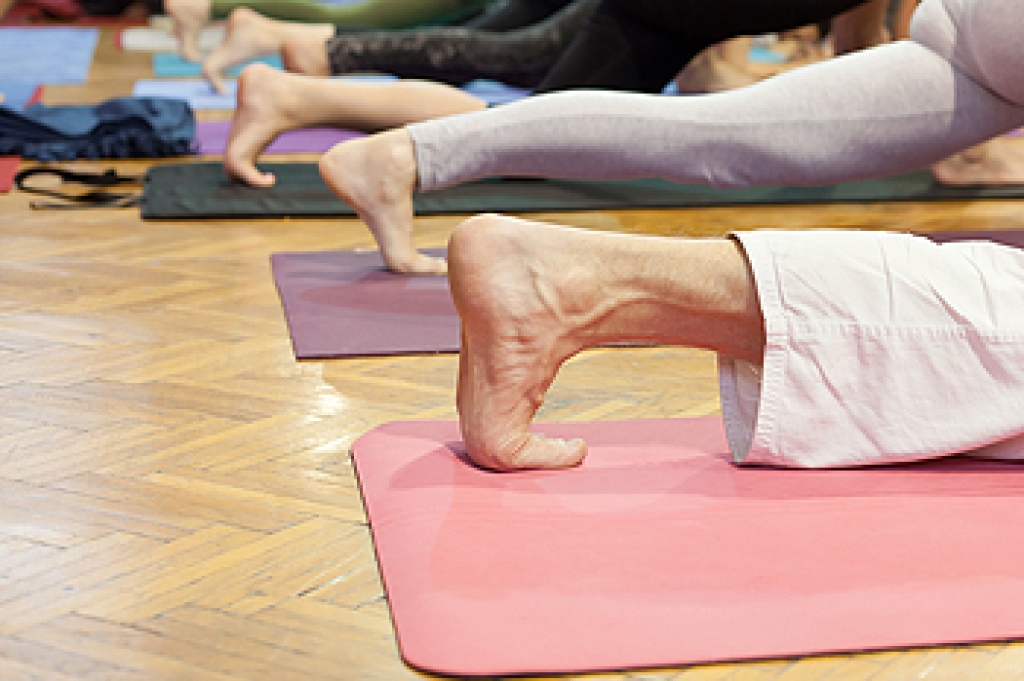
Exercising the feet with targeted yoga stretches can greatly enhance flexibility and strength. The big toe stretch involves gently pulling the big toe backward to release tension and improve flexibility. This type of foot stretch, achieved by sitting back on your heels and pressing the tops of your feet into the floor, helps alleviate tightness and enhances foot mobility. Toe taps clock is a dynamic exercise where you tap each toe to various imaginary clock positions, boosting coordination and strengthening the toes. Additionally, the ankle dorsiflexion stretch involves flexing the foot upward while keeping the heel on the ground, which improves ankle flexibility and reduces strain. Regular practice of these stretches supports better foot health, reduces discomfort, and enhances overall foot function. If you are experiencing foot pain, it is suggested that you contact a podiatrist who can offer appropriate treatment options, and guide you on how to perform effective foot exercises.
Exercising your feet regularly with the proper foot wear is a great way to prevent injuries and build strength. If you have any concerns about your feet, contact David Cain, DPM from Iowa. Our doctor can provide the care you need to keep you pain-free and on your feet.
Exercise for Your Feet
Exercise for your feet can help you gain strength, mobility and flexibility in your feet. They say that strengthening your feet can be just as rewarding as strengthening another part of the body. Your feet are very important, and we often forget about them in our daily tasks. But it is because of our feet that are we able to get going and do what we need to. For those of us fortunate enough to not have any foot problems, it is an important gesture to take care of them to ensure good health in the long run.
Some foot health exercises can include ankle pumps, tip-toeing, toe rises, lifting off the floor doing reps and sets, and flexing the toes. It is best to speak with Our doctor to determine an appropriate regimen for your needs. Everyone’s needs and bodies are different, and the activities required to maintain strength in the feet vary from individual to individual.
Once you get into a routine of doing regular exercise, you may notice a difference in your feet and how strong they may become.
If you have any questions, please feel free to contact our office located in Ames, Iowa. We offer the newest diagnostic and treatment technologies for all your foot care needs.
Morton's neuroma is a painful condition affecting the ball of the foot, typically between the third and fourth toes. It involves the thickening of tissue surrounding one of the nerves leading to the toes, causing sharp, burning pain, numbness, or a sensation of something being lodged in the foot. To diagnose Morton's neuroma, a podiatrist will perform a physical examination, checking for tenderness and a palpable mass between the toes. Imaging tests like ultrasound or MRI scans may be used for confirmation. Treatment options include modifying footwear to reduce pressure on the affected area, using orthotic inserts, and administering corticosteroid injections to reduce inflammation. In severe cases, surgical removal of the affected nerve may be necessary to alleviate symptoms and restore normal foot function. If you have pain in the ball of your foot, it is suggested that you schedule an appointment with a podiatrist for a proper diagnosis and treatment plan.
Morton’s neuroma is a very uncomfortable condition to live with. If you think you have Morton’s neuroma, contact David Cain, DPM of Iowa. Our doctor will attend to all of your foot care needs and answer any of your related questions.
Morton’s Neuroma
Morton's neuroma is a painful foot condition that commonly affects the areas between the second and third or third and fourth toe, although other areas of the foot are also susceptible. Morton’s neuroma is caused by an inflamed nerve in the foot that is being squeezed and aggravated by surrounding bones.
What Increases the Chances of Having Morton’s Neuroma?
Ill-fitting high heels or shoes that add pressure to the toe or foot
Jogging, running or any sport that involves constant impact to the foot
Flat feet, bunions, and any other foot deformities
Morton’s neuroma is a very treatable condition. Orthotics and shoe inserts can often be used to alleviate the pain on the forefront of the feet. In more severe cases, corticosteroids can also be prescribed. In order to figure out the best treatment for your neuroma, it’s recommended to seek the care of a podiatrist who can diagnose your condition and provide different treatment options.
If you have any questions, please feel free to contact our office located in Ames, Iowa. We offer the newest diagnostic and treatment technologies for all your foot care needs.
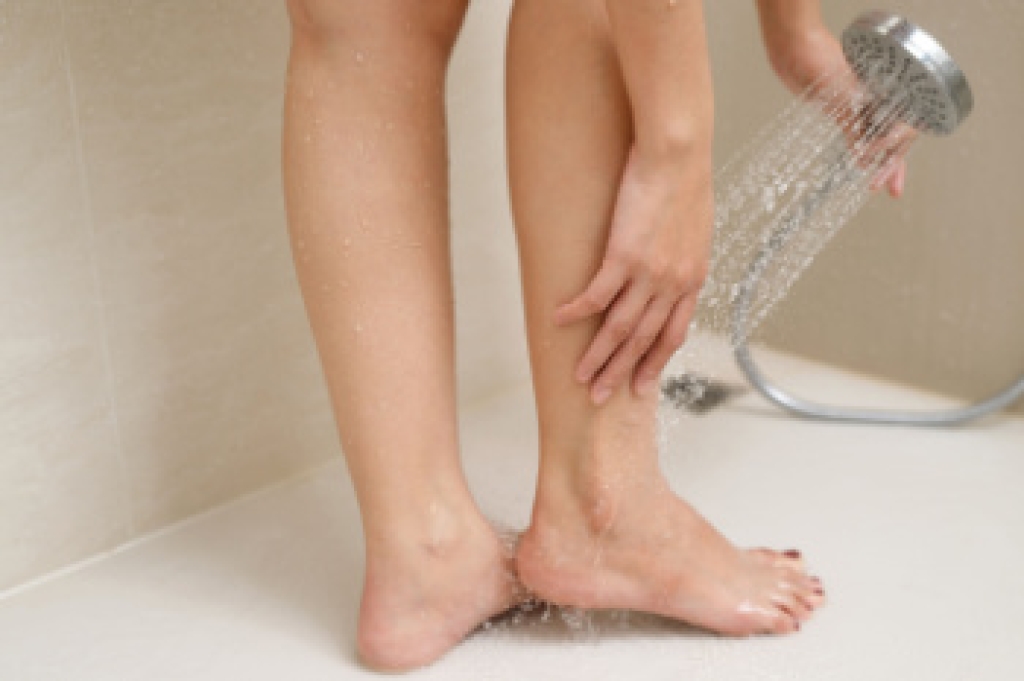
Maintaining a daily foot care routine is vital for overall foot health and comfort. Begin by washing your feet with mild soap and warm water to remove dirt and prevent infections. Be sure to dry them thoroughly, especially between the toes, to avoid fungal issues. Regularly stretching your feet and ankles can enhance flexibility and reduce the risk of injuries. Incorporate simple stretches like toe raises and ankle circles into your daily routine. Trimming toenails properly is also essential. Cut them straight across to prevent ingrown toenails and avoid cutting too short, which can lead to discomfort. If you have developed any type of foot pain, it is suggested that you consult a podiatrist who can offer treatment remedies and guide you on how to care for your feet daily.
Everyday foot care is very important to prevent infection and other foot ailments. If you need your feet checked, contact David Cain, DPM from Iowa. Our doctor can provide the care you need to keep you pain-free and on your feet.
Everyday Foot Care
Often, people take care of their bodies, face and hair more so than they do for their feet. But the feet are a very important aspect of our bodies, and one that we should pay more attention to. Without our feet, we would not be able to perform most daily tasks.
It is best to check your feet regularly to make sure there are no new bruises or cuts that you may not have noticed before. For dry feet, moisturizer can easily be a remedy and can be applied as often as necessary to the affected areas. Wearing shoes that fit well can also help you maintain good foot health, as well as making it easier to walk and do daily activities without the stress or pain of ill-fitting shoes, high heels, or even flip flops. Wearing clean socks with closed shoes is important to ensure that sweat and bacteria do not accumulate within the shoe. Clean socks help to prevent Athlete’s foot, fungi problems, bad odors, and can absorb sweat.
If you have any questions, please feel free to contact our office located in Ames, Iowa. We offer the newest diagnostic and treatment technologies for all your foot care needs.
Cuboid syndrome, a condition affecting the foot, involves the cuboid bone, one of the seven tarsal bones located on the outer side of the foot. Positioned between the heel bone, which is also known as the calcaneus, and the 4th and 5th metatarsal bones, the cuboid bone plays a vital role in maintaining the arch of the foot and facilitating movement. This syndrome typically arises due to repetitive stress or trauma, such as overuse injuries common in athletes or sudden twists of the foot. The exact cause often involves the displacement, or subluxation, of the cuboid bone, leading to pain and discomfort on the outer edge of the foot, sometimes radiating into the toes. Symptoms may include swelling, tenderness, and difficulty bearing weight on the affected foot. If you have pain in this part of your foot, it is suggested that you visit a podiatrist who can provide an accurate diagnosis and treatment.
Cuboid syndrome, also known as cuboid subluxation, occurs when the joints and ligaments near the cuboid bone in the foot become torn. If you have cuboid syndrome, consult with David Cain, DPM from Iowa. Our doctor will assess your condition and provide you with quality foot and ankle treatment.
Cuboid syndrome is a common cause of lateral foot pain, which is pain on the outside of the foot. The condition may happen suddenly due to an ankle sprain, or it may develop slowly overtime from repetitive tension through the bone and surrounding structures.
Causes
The most common causes of cuboid syndrome include:
Injury – The most common cause of this ailment is an ankle sprain.
Repetitive Strain – Tension placed through the peroneus longus muscle from repetitive activities such as jumping and running may cause excessive traction on the bone causing it to sublux.
Altered Foot Biomechanics – Most people suffering from cuboid subluxation have flat feet.
Symptoms
A common symptom of cuboid syndrome is pain along the outside of the foot which can be felt in the ankle and toes. This pain may create walking difficulties and may cause those with the condition to walk with a limp.
Diagnosis
Diagnosis of cuboid syndrome is often difficult, and it is often misdiagnosed. X-rays, MRIs and CT scans often fail to properly show the cuboid subluxation. Although there isn’t a specific test used to diagnose cuboid syndrome, your podiatrist will usually check if pain is felt while pressing firmly on the cuboid bone of your foot.
Treatment
Just as the range of causes varies widely, so do treatments. Some more common treatments are ice therapy, rest, exercise, taping, and orthotics.
If you have any questions, please feel free to contact our office located in Ames, Iowa. We offer the newest diagnostic and treatment technologies for all your foot care needs.